Product Selection
How to Source Remote Control Novelty Toys for Retail and Private Label
Select RC animal, dinosaur, robot and novelty vehicle toys with practical function, age, packaging and quality planning for retail programs.
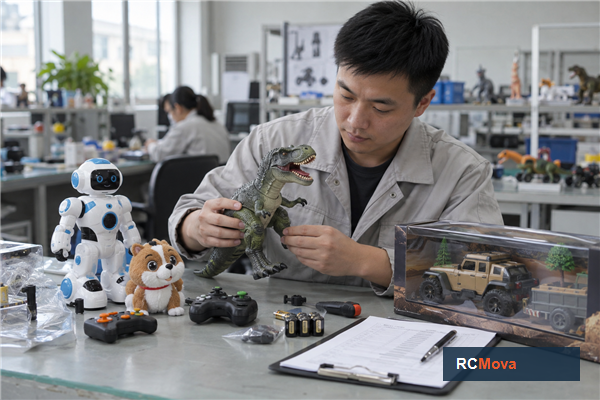
Direct answer: Source a remote control novelty toy by defining the character, play pattern, intended age, controller complexity, sound or motion features, pack-out and factory test plan before approving samples. This guide is written for importers, distributors, retailers and private-label teams that need to make a defensible buying decision before they approve an RC toy sample or release an order.
Good RC toy sourcing is a connected process. Product application, customer requirements, factory testing, packaging preparation and shipment inspection all need to point to the same approved configuration. The practical objective is not to add paperwork; it is to make decisions clear enough that the factory, buyer and logistics partners can act without guessing.
Use these articles alongside our RC toy product range, Shenzhen factory overview and quality-control process to turn a buying question into a project brief.
For the connected buying decisions, see How to Source Educational Remote Control Toys for Retail and Private Label, How to Source RC Construction Toys for Retail and Private Label, How to Source RC Rock Crawlers for Retail and Private Label.
1. Choose one clear play concept
Define whether the product is an RC animal toy, remote control dinosaur toy, remote control robot toy, novelty vehicle set or another character-led format.
Novelty products sell through a recognizable story as much as through motion. The selected concept should be easy to show on packaging and in a product listing, while still leaving the buyer with a specific configuration that can be sampled, tested and inspected.
During factory testing and shipment preparation, use choose one clear play concept as a named handoff. Record the agreed condition, identify the person who checks it, and keep the result with the project file. This does not need to become a complicated report: a controlled product specification, dated sample photos, a packing reference and a short inspection record are often enough to make customer requirements traceable. The important point is that a later sample change, production question or buyer request can be checked against a visible reference rather than memory.
In a real sourcing project, this is also the point at which small assumptions become expensive. A buyer may assume that a controller, accessory, label or carton detail is included because it appeared in an early image; the factory may assume that a request is illustrative because it was not added to the approved file. Ask the team to restate the decision in writing and identify whether it affects the sample, bill of materials, artwork, inspection plan or dispatch documents. That preparation supports a calmer production handoff.
Customer impact matters here because an RC toy is experienced as a complete set. The end user does not separate the product from its controls, accessories, instructions and packaging. Consider how choose one clear play concept will appear in a retailer’s receiving process, an e-commerce return, a gift unboxing or a first-use support question. This perspective helps a procurement team prioritize the details that influence product confidence after delivery, not only the details that are easiest to measure at the factory.
Buyer check
Before moving forward, ask the supplier to show how this point is captured in the product brief, approved sample record, production preparation or shipment inspection plan. A clear answer should name the reference, the responsible person and the timing of the check. If the answer cannot be tied to an approved configuration, treat it as an open decision rather than an agreed production instruction.
2. Match motion and sound to the target user
List the movements, lights, sound effects, gestures, sensors or interactive buttons that are essential to the play experience.
A remote control robot toy with many modes may need more instruction and controller testing than a simpler animal model. Use the intended age and retail environment to decide which features are valuable, which could confuse first use and which need a visible warning or setup explanation.
During factory testing and shipment preparation, use match motion and sound to the target user as a named handoff. Record the agreed condition, identify the person who checks it, and keep the result with the project file. This does not need to become a complicated report: a controlled product specification, dated sample photos, a packing reference and a short inspection record are often enough to make customer requirements traceable. The important point is that a later sample change, production question or buyer request can be checked against a visible reference rather than memory.
In a real sourcing project, this is also the point at which small assumptions become expensive. A buyer may assume that a controller, accessory, label or carton detail is included because it appeared in an early image; the factory may assume that a request is illustrative because it was not added to the approved file. Ask the team to restate the decision in writing and identify whether it affects the sample, bill of materials, artwork, inspection plan or dispatch documents. That preparation supports a calmer production handoff.
Customer impact matters here because an RC toy is experienced as a complete set. The end user does not separate the product from its controls, accessories, instructions and packaging. Consider how match motion and sound to the target user will appear in a retailer’s receiving process, an e-commerce return, a gift unboxing or a first-use support question. This perspective helps a procurement team prioritize the details that influence product confidence after delivery, not only the details that are easiest to measure at the factory.
Buyer check
Before moving forward, ask the supplier to show how this point is captured in the product brief, approved sample record, production preparation or shipment inspection plan. A clear answer should name the reference, the responsible person and the timing of the check. If the answer cannot be tied to an approved configuration, treat it as an open decision rather than an agreed production instruction.
Share your target market, product category and expected quantity for a focused recommendation.
3. Review the body, joints and accessible parts
Inspect body-shell fit, moving limbs or wheels, joint covers, switches, battery door, decorative pieces, antennas and fasteners on the actual sample.
Character products often combine a cosmetic surface with functional mechanisms. Factory testing should cover the agreed functions, but a buyer should also observe how the product feels after repeated demonstration use, including whether moving or removable pieces remain properly seated.
During factory testing and shipment preparation, use review the body, joints and accessible parts as a named handoff. Record the agreed condition, identify the person who checks it, and keep the result with the project file. This does not need to become a complicated report: a controlled product specification, dated sample photos, a packing reference and a short inspection record are often enough to make customer requirements traceable. The important point is that a later sample change, production question or buyer request can be checked against a visible reference rather than memory.
In a real sourcing project, this is also the point at which small assumptions become expensive. A buyer may assume that a controller, accessory, label or carton detail is included because it appeared in an early image; the factory may assume that a request is illustrative because it was not added to the approved file. Ask the team to restate the decision in writing and identify whether it affects the sample, bill of materials, artwork, inspection plan or dispatch documents. That preparation supports a calmer production handoff.
Customer impact matters here because an RC toy is experienced as a complete set. The end user does not separate the product from its controls, accessories, instructions and packaging. Consider how review the body, joints and accessible parts will appear in a retailer’s receiving process, an e-commerce return, a gift unboxing or a first-use support question. This perspective helps a procurement team prioritize the details that influence product confidence after delivery, not only the details that are easiest to measure at the factory.
Buyer check
Before moving forward, ask the supplier to show how this point is captured in the product brief, approved sample record, production preparation or shipment inspection plan. A clear answer should name the reference, the responsible person and the timing of the check. If the answer cannot be tied to an approved configuration, treat it as an open decision rather than an agreed production instruction.
4. Test the full controller experience
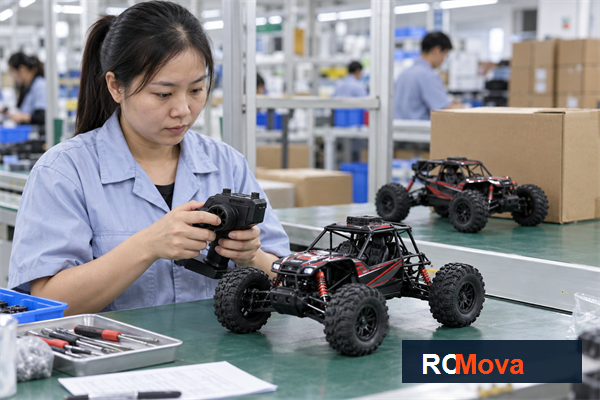
Check pairing, button meaning, response timing, range in the expected use area, mode changes and the way the user restarts after an interruption.
Good novelty play should feel deliberate rather than accidental. Test the product in the product application described to retailers, and record the approved controller, battery arrangement and first-use sequence so production and customer instructions stay aligned.
During factory testing and shipment preparation, use test the full controller experience as a named handoff. Record the agreed condition, identify the person who checks it, and keep the result with the project file. This does not need to become a complicated report: a controlled product specification, dated sample photos, a packing reference and a short inspection record are often enough to make customer requirements traceable. The important point is that a later sample change, production question or buyer request can be checked against a visible reference rather than memory.
In a real sourcing project, this is also the point at which small assumptions become expensive. A buyer may assume that a controller, accessory, label or carton detail is included because it appeared in an early image; the factory may assume that a request is illustrative because it was not added to the approved file. Ask the team to restate the decision in writing and identify whether it affects the sample, bill of materials, artwork, inspection plan or dispatch documents. That preparation supports a calmer production handoff.
Customer impact matters here because an RC toy is experienced as a complete set. The end user does not separate the product from its controls, accessories, instructions and packaging. Consider how test the full controller experience will appear in a retailer’s receiving process, an e-commerce return, a gift unboxing or a first-use support question. This perspective helps a procurement team prioritize the details that influence product confidence after delivery, not only the details that are easiest to measure at the factory.
Buyer check
Before moving forward, ask the supplier to show how this point is captured in the product brief, approved sample record, production preparation or shipment inspection plan. A clear answer should name the reference, the responsible person and the timing of the check. If the answer cannot be tied to an approved configuration, treat it as an open decision rather than an agreed production instruction.
5. Plan batteries, accessories and first use
Confirm the vehicle or character, controller, power items, cable or charger, accessories, manual and protective insert that belong in every carton.
A novelty vehicle set can look complete in a marketing image while its final packaging omits a key accessory. Use an itemized pack-out reference before artwork approval and check it again during shipment inspection, especially where several loose accessories or display elements are involved.
During factory testing and shipment preparation, use plan batteries, accessories and first use as a named handoff. Record the agreed condition, identify the person who checks it, and keep the result with the project file. This does not need to become a complicated report: a controlled product specification, dated sample photos, a packing reference and a short inspection record are often enough to make customer requirements traceable. The important point is that a later sample change, production question or buyer request can be checked against a visible reference rather than memory.
In a real sourcing project, this is also the point at which small assumptions become expensive. A buyer may assume that a controller, accessory, label or carton detail is included because it appeared in an early image; the factory may assume that a request is illustrative because it was not added to the approved file. Ask the team to restate the decision in writing and identify whether it affects the sample, bill of materials, artwork, inspection plan or dispatch documents. That preparation supports a calmer production handoff.
Customer impact matters here because an RC toy is experienced as a complete set. The end user does not separate the product from its controls, accessories, instructions and packaging. Consider how plan batteries, accessories and first use will appear in a retailer’s receiving process, an e-commerce return, a gift unboxing or a first-use support question. This perspective helps a procurement team prioritize the details that influence product confidence after delivery, not only the details that are easiest to measure at the factory.
Buyer check
Before moving forward, ask the supplier to show how this point is captured in the product brief, approved sample record, production preparation or shipment inspection plan. A clear answer should name the reference, the responsible person and the timing of the check. If the answer cannot be tied to an approved configuration, treat it as an open decision rather than an agreed production instruction.
6. Compare samples beyond visual appeal
Ask suppliers to quote equivalent character size, functions, controller, battery setup, materials, accessories, packaging, quantity and quality checks.
A lower price may reflect fewer functions, a different power arrangement or a reduced accessory set. A fair comparison gives retailers a way to decide whether the customer experience, shelf story and delivered configuration match the intended price position.
During factory testing and shipment preparation, use compare samples beyond visual appeal as a named handoff. Record the agreed condition, identify the person who checks it, and keep the result with the project file. This does not need to become a complicated report: a controlled product specification, dated sample photos, a packing reference and a short inspection record are often enough to make customer requirements traceable. The important point is that a later sample change, production question or buyer request can be checked against a visible reference rather than memory.
In a real sourcing project, this is also the point at which small assumptions become expensive. A buyer may assume that a controller, accessory, label or carton detail is included because it appeared in an early image; the factory may assume that a request is illustrative because it was not added to the approved file. Ask the team to restate the decision in writing and identify whether it affects the sample, bill of materials, artwork, inspection plan or dispatch documents. That preparation supports a calmer production handoff.
Customer impact matters here because an RC toy is experienced as a complete set. The end user does not separate the product from its controls, accessories, instructions and packaging. Consider how compare samples beyond visual appeal will appear in a retailer’s receiving process, an e-commerce return, a gift unboxing or a first-use support question. This perspective helps a procurement team prioritize the details that influence product confidence after delivery, not only the details that are easiest to measure at the factory.
Buyer check
Before moving forward, ask the supplier to show how this point is captured in the product brief, approved sample record, production preparation or shipment inspection plan. A clear answer should name the reference, the responsible person and the timing of the check. If the answer cannot be tied to an approved configuration, treat it as an open decision rather than an agreed production instruction.
7. Release goods against the approved character reference
Before dispatch, check relevant movement, lights or sounds, controller function, body and joint fit, battery access, accessories, manual, packaging protection and carton marking.
The shipment-release record should link any finding to a corrective action and recheck. This makes it possible to confirm that the factory delivered the customer requirements represented by the approved sample instead of a visually similar but uncontrolled variation.
During factory testing and shipment preparation, use release goods against the approved character reference as a named handoff. Record the agreed condition, identify the person who checks it, and keep the result with the project file. This does not need to become a complicated report: a controlled product specification, dated sample photos, a packing reference and a short inspection record are often enough to make customer requirements traceable. The important point is that a later sample change, production question or buyer request can be checked against a visible reference rather than memory.
In a real sourcing project, this is also the point at which small assumptions become expensive. A buyer may assume that a controller, accessory, label or carton detail is included because it appeared in an early image; the factory may assume that a request is illustrative because it was not added to the approved file. Ask the team to restate the decision in writing and identify whether it affects the sample, bill of materials, artwork, inspection plan or dispatch documents. That preparation supports a calmer production handoff.
Customer impact matters here because an RC toy is experienced as a complete set. The end user does not separate the product from its controls, accessories, instructions and packaging. Consider how release goods against the approved character reference will appear in a retailer’s receiving process, an e-commerce return, a gift unboxing or a first-use support question. This perspective helps a procurement team prioritize the details that influence product confidence after delivery, not only the details that are easiest to measure at the factory.
Buyer check
Before moving forward, ask the supplier to show how this point is captured in the product brief, approved sample record, production preparation or shipment inspection plan. A clear answer should name the reference, the responsible person and the timing of the check. If the answer cannot be tied to an approved configuration, treat it as an open decision rather than an agreed production instruction.
Reference and compliance note
This article is practical buyer guidance, not legal, safety or transport advice. For the selected product and destination, verify applicable requirements with qualified laboratories, compliance advisers, carriers or authorities. For further reading, see ISO 8124-1:2022 toy safety overview: Mechanical and physical safety considerations for toys.
Photography plan for this article
Article hero image — After the opening section
Image title: How to Source Remote Control Novelty Toys for Retail and Private Label — RC toy sourcing overview
Caption: RCMova factory photograph supporting this buyer guide: Product selection starts with the real play environment and the channel story behind each vehicle format.
ALT text: RCMova factory and product photograph for How to Source Remote Control Novelty Toys for Retail and Private Label
Image size: 600 × 400 px
AI photography prompt: Editorial commercial photography, Asian quality technician testing steering response and drive function of a remote control toy vehicle on a clean Shenzhen factory bench, authentic production lighting, documentary realism, no text, no watermark, 3:2 landscape
In-article supporting image — Before the FAQ section
Image title: How to Source Remote Control Novelty Toys for Retail and Private Label — RC toy quality and shipment check
Caption: Function checks and inspection records help keep an approved configuration consistent before packing.
ALT text: Asian quality inspector testing an RC vehicle at a Shenzhen factory inspection bench
Image size: 600 × 400 px
AI photography prompt: Realistic documentary factory photography, Asian production team assembling and preparing remote control toy vehicles for export, orderly Shenzhen workshop, natural industrial light, authentic candid composition, no text, no watermark, 3:2 landscape
Frequently Asked Questions
What should buyers check when sourcing a remote control dinosaur toy?
Check the intended age, movement and sound features, controller behavior, body and joint fit, battery access, included accessories, instructions, pack-out and the quality plan for the exact approved configuration.
Are RC animal toys suitable for private-label programs?
They can be when the factory and buyer agree the selected platform, customization scope, packaging, documentation, sample approval, quality checks and delivery plan before production.
How can buyers compare remote control robot toy suppliers?
Use a shared specification that covers size, movements, sound or light functions, controller, power, materials, accessories, packaging, quantity, testing points and delivery assumptions.
Conclusion: turn the decision into a working plan
Source a remote control novelty toy by defining the character, play pattern, intended age, controller complexity, sound or motion features, pack-out and factory test plan before approving samples. When the selected product, sample, documentation, inspection points and shipment handoff are visible, the buying team can move with greater confidence and fewer avoidable changes.
Send Your Requirements